Introduction to Business Automation
The modern workplace is no longer defined by manual spreadsheets, fragmented tools, or repetitive processes. Businesses today operate in a hyper-competitive ecosystem where efficiency, agility, and data-driven decisions determine success. This shift has accelerated the adoption of all-in-one HRMS, CRM & payroll software, a unified solution that consolidates core business operations into a single, streamlined platform.
The Evolution of Workplace Technology
From paper-based systems to cloud-powered ecosystems, business technology has undergone a radical transformation. Organizations once relied on disconnected tools for HR, customer management, and payroll. Today, integration is no longer optional—it is essential.
Why Businesses Need Integrated Solutions
Disconnected systems create inefficiencies, increase errors, and slow down decision-making. An all-in-one solution removes these barriers by centralizing operations, enabling seamless collaboration, and delivering actionable insights in real time.
What is All-in-One HRMS, CRM & Payroll Software?
Definition and Core Components
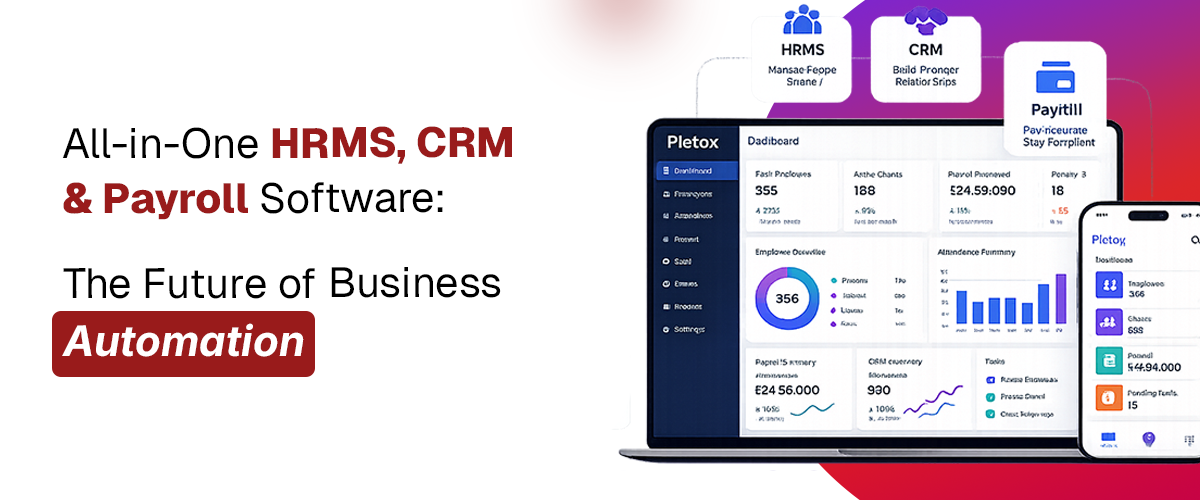
An all-in-one platform integrates three critical systems:
- HRMS for managing employees
- CRM for handling customer relationships
- Payroll software for salary and compliance
Together, they form a cohesive ecosystem that automates workflows across departments.
Key Modules Explained
- Employee lifecycle management
- Sales and lead tracking
- Payroll processing and tax compliance
- Reporting dashboards
Understanding HRMS (Human Resource Management System)
Employee Data Management
HRMS centralizes employee records, making it easy to store, access, and update information securely.
Recruitment & Onboarding Automation
Automated hiring workflows reduce time-to-hire and ensure a seamless onboarding experience.
Performance Tracking
Managers can monitor employee performance through KPIs, appraisals, and feedback systems.
CRM (Customer Relationship Management) in Business Growth
Lead Management and Sales Funnel
CRM systems help businesses track leads from initial contact to conversion, ensuring no opportunity is missed.
Customer Engagement Tools
Features like email automation, chat integration, and follow-up reminders enhance customer interactions.
Analytics and Reporting
Advanced analytics provide insights into customer behavior, sales trends, and campaign performance.
Payroll Software Simplified
Salary Processing
Automated payroll ensures accurate salary calculations, including bonuses, deductions, and overtime.
Compliance and Taxation
Payroll systems handle statutory compliance, reducing the risk of legal penalties.
Payslip Automation
Employees receive digital payslips, improving transparency and reducing administrative workload.
Why Combine HRMS, CRM & Payroll in One Platform?
Eliminating Data Silos
A unified system ensures that all departments access the same data, eliminating duplication and inconsistencies.
Improved Efficiency
Automation reduces manual tasks, allowing teams to focus on strategic initiatives.
Cost Optimization
Maintaining a single platform is more cost-effective than managing multiple tools.
Key Features of All-in-One Business Software
Cloud-Based Access
Cloud technology enables remote access, ensuring business continuity from anywhere.
Automation & AI Integration
AI-driven features automate repetitive tasks and provide predictive insights.
Real-Time Reporting
Instant reports empower decision-makers with up-to-date information.
Benefits for Small and Medium Businesses (SMBs)
- Reduced operational costs
- Faster decision-making
- Improved productivity
- Scalability for growth
Benefits for Large Enterprises
- Centralized data management
- Enhanced compliance
- Streamlined global operations
- Advanced analytics
How It Enhances Employee Experience
Self-Service Portals
Employees can access payslips, apply for leave, and update personal details independently.
Transparency and Communication
Clear communication channels improve engagement and satisfaction.
Role in Improving Customer Relationships
An integrated CRM ensures personalized interactions, timely follow-ups, and better customer retention.
Data Security and Compliance
Modern platforms prioritize:
- Data encryption
- Role-based access control
- Compliance with labor laws and tax regulations
Integration with Other Business Tools
All-in-one software can integrate with:
- Accounting systems
- Project management tools
- Communication platforms
This creates a fully connected digital ecosystem.
Real-World Use Cases
Startup Growth Story
A startup using integrated software can manage hiring, track leads, and process payroll without switching platforms, saving time and resources.
Enterprise Transformation
Large organizations benefit from unified dashboards, enabling leadership to make informed decisions quickly.
Challenges and Limitations
Implementation Costs
Initial setup may require investment, but long-term savings outweigh the cost.
Learning Curve
Teams may need training to adapt to new systems.
How to Choose the Right Software
Business Needs Assessment
Identify key requirements and pain points.
Budget Considerations
Choose a solution that offers maximum value within your budget.
Scalability
Ensure the platform can grow with your business.
Implementation Best Practices
- Conduct thorough training sessions
- Start with phased implementation
- Monitor performance and gather feedback
Future Trends in Business Automation Software
AI & Machine Learning
AI will drive smarter automation and predictive decision-making.
Predictive Analytics
Businesses will anticipate trends rather than react to them.
Remote Work Enablement
Cloud-based tools will continue to support distributed teams.
ROI of All-in-One Systems
Investing in integrated software delivers:
- Higher productivity
- Reduced operational costs
- Better decision-making
- Increased profitability
Internal Linking Opportunities
To strengthen SEO and user navigation, consider linking to:
- Payroll compliance guides
- CRM optimization strategies
- HR automation best practices
FAQs Section
1. What is all-in-one HRMS, CRM & payroll software?
It is a unified platform that combines employee management, customer relationship management, and payroll processing into a single system.
2. How does it improve business efficiency?
By automating repetitive tasks, reducing errors, and centralizing data, it significantly enhances operational efficiency.
3. Is it suitable for small businesses?
Yes, it is especially beneficial for SMBs as it reduces costs and simplifies operations.
4. What are the key features to look for?
Cloud access, automation, analytics, and integration capabilities are essential features.
5. How secure is this software?
Most modern platforms offer advanced security measures like encryption and role-based access.
Conclusion
The future of business lies in integration, automation, and intelligent decision-making. All-in-one HRMS, CRM & payroll software is not just a technological upgrade—it is a strategic necessity. By consolidating core functions into a single platform, businesses can unlock unprecedented efficiency, improve employee and customer experiences, and position themselves for sustainable growth.
Organizations that embrace this transformation today will lead tomorrow, while those clinging to outdated systems risk falling behind in an increasingly digital world.